
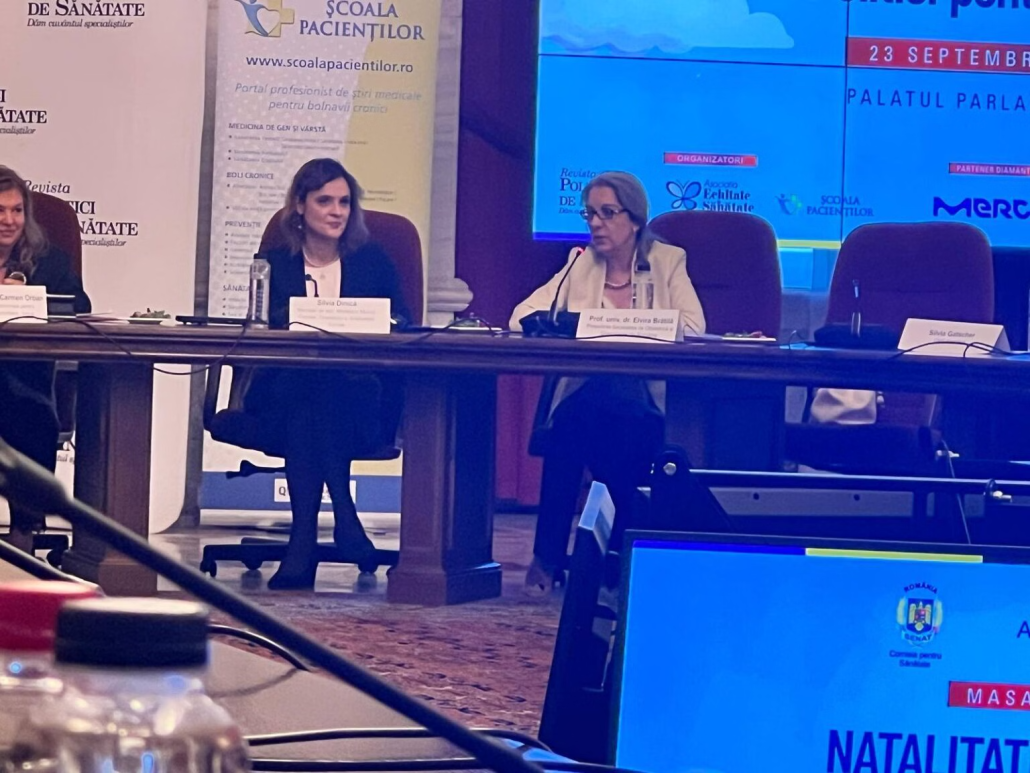
Conference on Birth Rates – Women’s Health and the Chance for a Future
At the recent conference dedicated to birth rates, I had the honor of participating alongside Senator Prof. Dr. Carmen Orban in a dialogue centered on the importance of improving couple health through screening programs, early diagnosis, and the prevention of gynecological diseases. This integrated approach represents a fundamental pillar in supporting birth rates, as conditions such as adenomyosis, endometriosis, or premalignant and malignant lesions can directly impact fertility; their early diagnosis significantly increases a woman’s chances of fulfilling her reproductive role.
Recent data published by the World Health Organization (WHO) and the European Society of Human Reproduction and Embryology (ESHRE) emphasize that access to prevention and early intervention programs is strictly correlated with a decrease in the incidence of secondary infertility and an improved reproductive prognosis. Thus, Romania has the opportunity to integrate international experience into national public policies, strengthening both the quality of medical care and the potential for increasing birth rates.
Support cannot come exclusively from the medical field; there is a need for a solid legislative and social framework that facilitates access to quality services, reduces inequalities, and stimulates individual responsibility in managing reproductive health. In this regard, the legislative initiative proposed and supported by Senator Carmen Orban marks a decisive step toward creating an environment favorable to reproductive health and family support.
Prevention and early diagnosis must be viewed as fundamental rights with a major socio-economic impact: reducing treatment costs, improving quality of life, and directly supporting a sustainable pro-natalist policy. I extend my congratulations to Senator Prof. Dr. Carmen Orban for this initiative, which reflects a profound understanding of the phenomenon’s complexity and paves the way for lasting solutions for contemporary Romania and future generations.


